 +91 9001007171

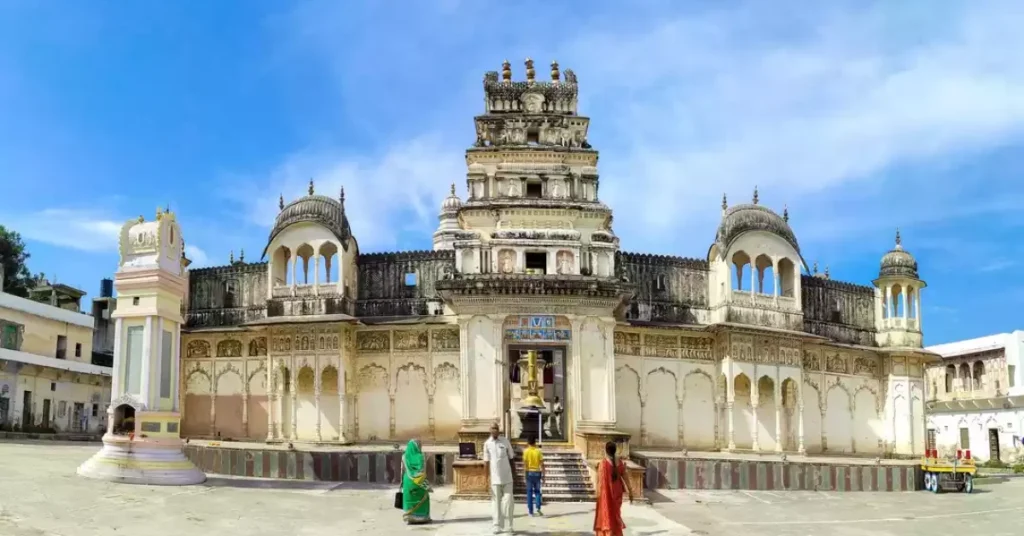
Brahma Temple Pushkar Timings & Aarti Schedule Guide
Introduction Explore the complete guide to Brahma Temple Pushkar, including aarti timings, darshan hours, temple history, and spiritual importance of this unique Pushkar mandir. If you are travelling to India from abroad, this guide also covers what first-time visitors ask us most: what to wear, whether foreigners can enter, how to reach Pushkar from Jaipur, Delhi or Udaipur, and how to visit respectfully. About Brahma Temple – The Only Brahma Mandir in India The Brahma Temple in Pushkar, often referred to as the only temple dedicated to Lord Brahma in India, holds immense religious and historical value. Its formal name is Jagatpita Brahma Mandir, meaning the temple of Brahma, father of the world. The Pushkar Mandir, especially the Brahma Temple, is deeply intertwined with the spiritual essence of Pushkar town. Pilgrims traditionally bathe in the sacred Pushkar Lake first and then climb the temple steps for darshan. A few other small Brahma shrines exist in India, but Pushkar is the most important one and the place where Lord Brahma is worshipped with full rituals. That is why Hindus consider a pilgrimage incomplete without a visit here. The legend: why Brahma is worshipped only in Pushkar According to Hindu belief, Lord Brahma killed the demon Vajranabha with a lotus flower. The petals fell at three places and water sprang up, creating the Pushkar lakes. The name Pushkar comes from pushpa (flower) and kar (hand). Brahma then decided to perform a yagna (sacred fire ritual) at the lake. His wife Savitri was delayed, and the ritual could not wait, so Brahma married Gayatri and completed it with her. When Savitri arrived, she cursed Brahma that he would be worshipped only in Pushkar. Savitri then went to the hill behind the town, where her temple still stands today. Gayatri sits beside Brahma inside the main temple. History of the temple The site is believed to be about 2,000 years old, and the present structure dates mainly from the 14th century. Tradition says the sage Vishwamitra built the first temple after Brahma’s yagna, and the philosopher Adi Shankara later renovated it. Architecture: what to look for Brahma Temple Pushkar Timings (Darshan & Entry Hours) The temple is open to devotees every day, offering both morning and evening darshan sessions. It closes in the afternoon, so plan your visit around the break. Season Morning darshan Afternoon break Evening darshan Summer (April to September) 6:00 AM – 1:30 PM 1:30 PM – 3:00 PM 3:00 PM – 9:00 PM Winter (October to March) 6:30 AM – 1:30 PM 1:30 PM – 3:00 PM 3:00 PM – 8:30 PM Timings can shift slightly on festival days and during the Pushkar Fair. Allow 30 to 45 minutes for the temple itself, and longer during Kartik Purnima when queues are long. Best time of day: early morning, between 6:30 and 8:30 AM, is the calmest and coolest. Evenings are more atmospheric but busier. Brahma Temple Pushkar Aarti Timings Three aartis are performed daily, and their timings follow sunrise and sunset, so they change through the year. Aarti When it happens What it is Mangala Aarti About two hours before sunrise The first prayer of the day, when the deity is woken Sandhya Aarti About 40 minutes after sunset The evening prayer with lamps, bells and chanting Ratri Shayan Aarti About five hours after sunset The night prayer. It marks the closing rituals of the day and draws a large number of pilgrims For most international visitors, the Sandhya Aarti is the easiest to attend. Combine it with the evening aarti at the Pushkar Lake ghats, a five-minute walk away. Entry Fee There is no entry fee to visit the Brahma Temple Pushkar, making it accessible to all. This applies to Indian and foreign visitors alike. Donations are voluntary, and you should give them only at the official donation box inside the temple. Location The Brahma Temple is located in Pushkar, a sacred town in the Ajmer district of Rajasthan, India. It stands at the western end of the main bazaar, on Brahma Temple Road, a short walk from Pushkar Lake. Vehicles cannot drive up to the temple. You walk the last few hundred metres through the market lane, which is part of the experience. Visiting Brahma Temple as an International Traveller Foreign visitors of every faith are welcome at the Brahma Temple, and no ticket or permit is needed. A few simple customs will make your visit smooth and respectful. Dress code Temple rules Town rules in Pushkar Pushkar is a holy town, so alcohol, meat and eggs are not sold or served within it. Restaurants are fully vegetarian, and many offer good international vegetarian food. At Pushkar Lake, remove your shoes well before the ghats, do not photograph people bathing, and avoid public displays of affection. Common tourist traps and how to avoid them Practical tips How to Reach Brahma Temple Pushkar Pushkar has no major airport or mainline station of its own, so most international travellers arrive by private car from Jaipur or Ajmer. From Approx. distance Approx. drive time Notes Ajmer 15 km 30 minutes Nearest city and main railway station (Ajmer Junction) Kishangarh Airport 45 km 1 hour Nearest airport, limited domestic flights Jaipur 150 km 2.5 to 3 hours Nearest international airport, easy day trip Jodhpur 190 km 4 hours Good stop between Jaipur and Jodhpur Udaipur 280 km 5 hours Works well as an overnight break Delhi 400 km 7 hours Better by train to Ajmer, then car Best Time to Visit Pushkar October to March is the best time to visit, with pleasant days of about 20 to 28°C and cool nights. Season Months What to expect Winter (best) October to March Comfortable weather, clear skies, festival season Summer April to June Very hot, often above 40°C. Visit only at dawn or after sunset Monsoon July to September Green hills and a full lake, humid, fewer visitors Pushkar Fair and Kartik Purnima 2026 Kartik Purnima, the full moon most sacred to […]