
Dream Day Tours

Dream Day Tours Logo

Plan Your Dream Tour

Get a custom itinerary & best price quote in 30 minutes!

Ranthambore Travel Guide

15 Popular Places to Visit in Ranthambore

Ranthambore is one of the largest Natural parks in India and is famous among tourists. Tourists take a trip to Ranthambore for Tiger Reserves and wildlife. There are plenty of places to visit in Ranthambore from forts to Tiger Reserve. We have created a list of places to explore while visiting Ranthambore to have a good and worthwhile experience. Hope this is helpful if you plan to go visit Ranthambore then do not miss visiting so head to these top 15 places up in Ranthambore as mentioned below: Ranthambore Tiger Reserve Ranthambore Tiger Reserve announced a place of 1503.23 km in 2007 and Buffer, in 2012, under the Flora and Fauna (safety) Act 1972.Moreover, Ranthambore is the largest and not to forget one of the best Tiger Reserve in Rajasthan. It is situated in the Sawaimadhopur district of Rajasthan. It Encompasses Ranthambore National Park Swaimadhopur Sanctuary, Swaiman Singh Sancturay, Keladevi Sanctuary, and part of the National Gharial Sanctuary along with Leapord Safari.There are 10 zones in Ranthambore Tiger Reserve that tourists can visit during the Safari. Here below we list the Safari prices: Ranthambore Tiger Reserve TimeTable 1 October to 31 October (Morning Trip) 6.30 to 10.00 AM 1 October to 31 October (Evening Trip) 2.30 to 6.00 PM 1 November to 31 January (Morning Trip) 7.00 to 10.30 AM 1 November to 31 January (Evening Trip) 2.00 to 5.30 PM 1 February to 31 March (Morning Trip) 6.30 to 10.00 AM 1 February to 31 March (Evening Trip) 2.30 to 6.00 PM 1 April to 16 May (Morning Trip) 6.00 to 9.30 AM 1 April to 16 May (Evening Trip) 3.00 to 6.30 PM 16 May to 30 June (Morning Trip) 6.00 to 9.30 AM 16 May to 30 June (Evening Trip) 3.30 to 7.00 PM Ranthambhore Fort Following the safari, make a point to also visit Ranthambore Fort when you go to Ranthambore. The area of the fort is 7km. The fort’s buildings were among the few to survive the ravages of war and time. Two of them, Badal Mahal and Dullah Mahal hint at its former grandeur. Other structures in the Fort include many cenotaphs, mosques, temples, barracks, step wells, and gates. Historic ruins, including walls, can also be seen around the fort, acting as silent witnesses. Stonewalls engulf the fort. All the stone for the construction work was extracted from the fort. Location: Sawai Madhopur, Rajasthan 322001Timings: 6 am–6 pmEntry Fees: Rs. 15 – per person for adults /Rs. 10 per person for children Trinetra Ganesh Temple Hindus refer to the Trinetra Ganesha of Ranthambore as the “Pratham Ganesha”. India’s most widely known and oldest temple of Lord Ganesha which is situated in Ranthambore fort combines his whole family in one place. It is towards Sawai Madhopur and has a good setup in the fort. Using crimson Karauli stone, the temple has been a religious traveler spot for a long term. in step with Hindu mythology, Lord Ganesha is the wish-fulfilling god. he is the god of prosperity, know-how, and schooling. every 12 months, lots of devotees write letters and send wedding ceremony invites to search for the advantages of Lord Ganesha. This should be a statement of hope that their dreams are met. Jogi Mahal Ranthambore also houses one of the most popular attractions for wildlife tourism – the Jogi Mahal which lies by the gently flowing Padam Lake. Harking back, Mahal used to be a search hotel for Jaipur’s kings and dignitaries visiting here. Later, it became a tourist guesthouse but still boasts of its very fine Rajasthani architecture. Jogi Mahal is one of the places in Rajasthan where tigers once ruled. This is due to being close to Ranthambore National Park, which is rich in tigers. The Mahal is approximately 500 meters from the Ranthambore Fort. It is thought to be one of the oldest historical sites in the Ranthambore region. The Mahal was a looking getaway for royal households. The Jogi Mahal was a lodging for the royal family when they visited the adjacent Ranthambore jungles as part of hunting expeditions. Ranthambore Nation Park In India, the tourism business is important as a result of its type and appeal like a special class. Ranthambore National Park is among India’s most well-known national parks. It is a National park and covers an area of 1334 sq km, it’s the Ranthambore forest. Ranthambore Tiger Reserve offers a vast natural habitat for the majority of Royal Bengal tigers. If you go on day safaris, you can see a tiger as it is one of the most sought-after big mammals among local tourists. Akaula Region The Akaula region is one of the cool because of its lush plantation and abundant waterholes. There are many small bodies of water here, as well as a diverse range of plants. The cool, relaxing atmosphere is what makes many animals like living here. There are birds, Squirrels, and mongooses. Monkeys can be observed sleeping in the treetops. tigers and their pups may be seen by visitors to this region The Akaula region is well-known as a Ranthambore attraction that provides rejuvenation. Raj Bagh Ruins The Raj Bagh Ruins are situated in Ranthambore National Park, midway between Padam Talo and Raj Bagh Talo. These ancient ruins include of stone structures shaped like arches, steps, palace outhouses, and domes. It gives the location a feeling of charm and historical significance. Even though these ruins are breathtaking, the surrounding vegetation is so dense that Royal Bengal Tigers often utilize it as a hiding place. You can view these stone remnants from a distance while on a wildlife-vehicle safari in Ranthambore National Park. Its fascinating environment is enhanced by the Rajbagh ruins that are located along the lake’s banks. The ruins of these buildings include arches, curved, partially standing separators, and divided rooms and restrooms. In Ranthambore National Park, the big tigers of Ranthambore can be observed relaxing under the shadow of these buildings. Kacheeda Valley Kachida Valley, located 13 kilometers from Ranthambore National […]
Perfect Delhi Itinerary Top Places to Visit in 2 Days for Sightseeing & Attractions
Delhi Travel Guide

Perfect Delhi Itinerary: Top Places to Visit in 2 Days for Sightseeing & Attractions

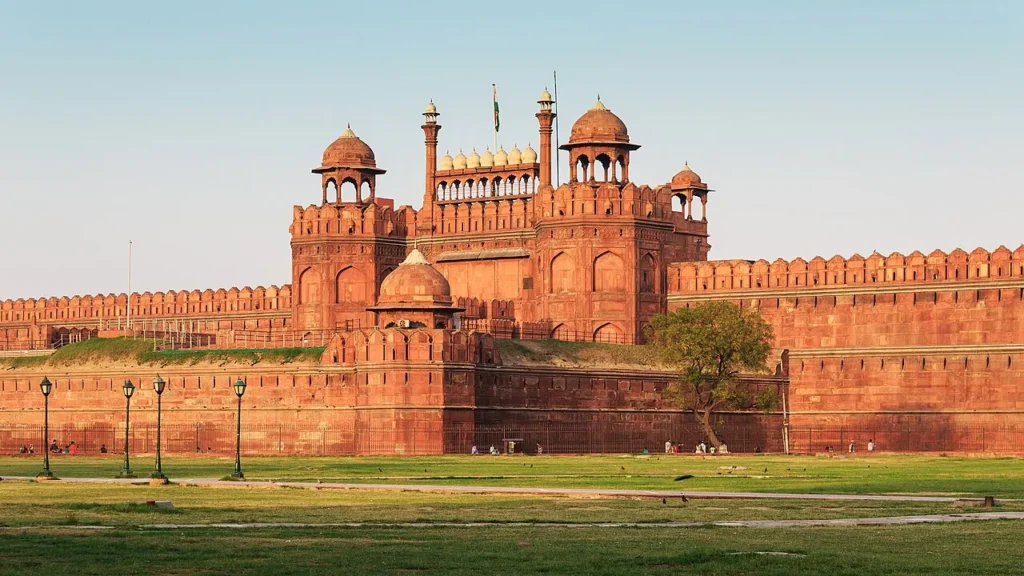
Introduction Delhi, the capital city of India, is a vibrant tapestry of history, culture, and modernity. From centuries-old Mughal forts and bustling bazaars to cutting-edge art galleries and trendy cafés, the city offers an experience that is both deeply rooted and refreshingly dynamic. A well-crafted Delhi itinerary is essential to explore its diverse offerings, especially if you’re short on time. With just 48 hours in hand, travelers can still soak in the city’s essence by visiting the must visit places in Delhi that blend heritage, spirituality, and local flavors. Whether you’re a domestic tourist or a business traveler on a tight schedule, a well-planned 2 day trip from Delhi allows you to explore the city’s soul without feeling rushed. This guide is tailored to help you uncover the best attractions, hidden gems, and authentic experiences that Delhi packs into two exciting days. Day 1: Explore the Heritage Heart of Delhi Start Your Day with a Historic Bang Delhi’s rich history unfolds right from the morning. Begin at the Red Fort, an iconic symbol of Mughal architecture. Open from 9:30 AM to 4:30 PM (closed Mondays), it has an entry fee of ₹35 for Indians and ₹500 for foreigners. Explore its vast courtyards and museums. Just outside, indulge in breakfast at the famous Paranthe Wali Gali. Next, walk to Jama Masjid, one of India’s largest mosques, known for its stunning minarets and domes. Then wander through the chaotic-yet-colorful streets of Chandni Chowk to taste authentic Delhi street food like jalebi, kachori, and chole bhature. Conclude your morning with a quiet visit to Raj Ghat, a serene memorial dedicated to Mahatma Gandhi. This peaceful garden space is a must on any new delhi sightseeing plan and is among the top attractions in Delhi for history lovers. Afternoon – Mughal Grandeur and Markets Post lunch, delve into Delhi’s royal legacy with a visit to Humayun’s Tomb, a UNESCO World Heritage site and a precursor to the Taj Mahal’s design. The intricate Mughal architecture and symmetrical gardens make it one of the best places to visit in Delhi in 2 days. From there, drive past India Gate, the war memorial, and Rashtrapati Bhavan, the official residence of the President of India. These landmarks offer excellent photo opportunities and showcase the grandeur of colonial-era New Delhi. For lunch, stop by Khan Market—an upscale yet laid-back hub filled with contemporary cafés, bookstores, and Indian restaurants like Sodabottleopenerwala or Big Chill for a flavorful meal. Evening – Culture and Spirituality As the sun sets, shift your focus to spiritual and modern Delhi. Begin with the Lotus Temple, shaped like a blooming white lotus. Open until 5:00 PM, it invites people of all faiths to meditate in silence. Its peaceful ambiance contrasts beautifully with the day’s earlier hustle. Next, head to the majestic Akshardham Temple. A marvel of modern temple architecture, it features intricately carved stonework, lush gardens, and an impressive light & sound show that begins post-sunset. Allocate at least 2–3 hours here to explore fully. Wrap up your first day with dinner at Dilli Haat, where you can enjoy regional delicacies from across India, or opt for a cozy rooftop meal at Connaught Place, the city’s colonial-era commercial hub buzzing with life. This well-balanced start marks a fulfilling first leg of your Delhi 2 day itinerary. Day 2: Modern Delhi with a Traditional Touch Morning – Southern Highlights Begin your second day by heading to South Delhi, where ancient monuments meet tranquil green spaces. Your first stop is the majestic Qutub Minar, a UNESCO World Heritage Site and the tallest brick minaret in the world. Surrounded by the Qutub Complex’s ruins and landscaped gardens, it’s an ideal spot for photography and history buffs. Just a short walk away lies the Mehrauli Archaeological Park, a lesser-known gem dotted with tombs, stepwells, and centuries-old ruins that narrate Delhi’s layered past. After your walk, enjoy a hearty breakfast at Café Tesu, known for its cozy ambiance and continental dishes, or opt for a traditional North Indian dhaba for a spicy start. This blend of history and morning calm fits seamlessly into your Delhi itinerary 2 days plan. Afternoon – Art, Culture, and Shopping After your cultural morning, dive into Delhi’s artistic side. Visit the National Gallery of Modern Art near India Gate for a curated collection of 20th-century Indian art, or explore the Crafts Museum at Pragati Maidan, which offers a peek into India’s folk and tribal crafts. Post-gallery, it’s time to experience Delhi’s vibrant shopping scene. Choose between Lajpat Nagar and Sarojini Nagar, two iconic markets where fashion meets affordability. Whether it’s ethnic wear, shoes, bags, or accessories, these markets are buzzing with bargains and youthful energy. Recharge with a classic Delhi lunch — chole bhature at Sita Ram Diwan Chand in Paharganj, a legendary eatery that’s beloved by locals. This flavorful pit stop is not just a meal but a cultural experience among the top attractions in Delhi. Evening – Final Sunset and Rooftop View As the day winds down, unwind at Hauz Khas Village, a hip urban village surrounded by medieval ruins and a scenic lake. It’s a favorite hangout spot for both locals and travelers, offering art galleries, cafes, boutiques, and beautiful sunset views over Hauz Khas Lake. If you’re up for more history, attend the Sound & Light Show at Purana Qila (Old Fort)—a beautifully narrated story of Delhi’s origins under starlit skies. It’s a lesser-explored yet rewarding addition to your Delhi exploration. Finally, cap off your 2-day experience with a rooftop dinner at Connaught Place (CP) or Aerocity. From classic Mughlai to modern fusion, you’ll find the perfect place to reflect on your journey while enjoying the city lights. Truly, these make for perfect places to visit in Delhi in 2 days—a fitting finale to your whirlwind adventure through the capital. Bonus: Short 2 Day Trip Ideas From Delhi Once you’ve explored the charm of Delhi, why not extend your adventure with a short escape? There are several exciting destinations just a […]

Brahma Temple Pushkar Timings & Aarti Schedule Guide
Pushkar Travel Guide

Brahma Temple Pushkar Timings & Aarti Schedule Guide

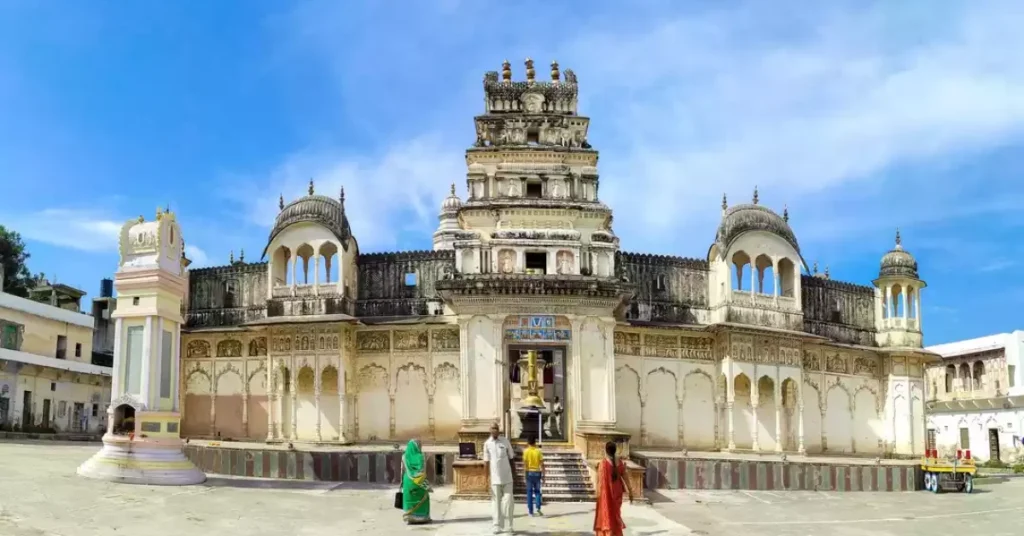
Introduction Explore the complete guide to Brahma Temple Pushkar, including aarti timings, darshan hours, temple history, and spiritual importance of this unique Pushkar mandir. If you are travelling to India from abroad, this guide also covers what first-time visitors ask us most: what to wear, whether foreigners can enter, how to reach Pushkar from Jaipur, Delhi or Udaipur, and how to visit respectfully. About Brahma Temple – The Only Brahma Mandir in India The Brahma Temple in Pushkar, often referred to as the only temple dedicated to Lord Brahma in India, holds immense religious and historical value. Its formal name is Jagatpita Brahma Mandir, meaning the temple of Brahma, father of the world. The Pushkar Mandir, especially the Brahma Temple, is deeply intertwined with the spiritual essence of Pushkar town. Pilgrims traditionally bathe in the sacred Pushkar Lake first and then climb the temple steps for darshan. A few other small Brahma shrines exist in India, but Pushkar is the most important one and the place where Lord Brahma is worshipped with full rituals. That is why Hindus consider a pilgrimage incomplete without a visit here. The legend: why Brahma is worshipped only in Pushkar According to Hindu belief, Lord Brahma killed the demon Vajranabha with a lotus flower. The petals fell at three places and water sprang up, creating the Pushkar lakes. The name Pushkar comes from pushpa (flower) and kar (hand). Brahma then decided to perform a yagna (sacred fire ritual) at the lake. His wife Savitri was delayed, and the ritual could not wait, so Brahma married Gayatri and completed it with her. When Savitri arrived, she cursed Brahma that he would be worshipped only in Pushkar. Savitri then went to the hill behind the town, where her temple still stands today. Gayatri sits beside Brahma inside the main temple. History of the temple The site is believed to be about 2,000 years old, and the present structure dates mainly from the 14th century. Tradition says the sage Vishwamitra built the first temple after Brahma’s yagna, and the philosopher Adi Shankara later renovated it. Architecture: what to look for Brahma Temple Pushkar Timings (Darshan & Entry Hours) The temple is open to devotees every day, offering both morning and evening darshan sessions. It closes in the afternoon, so plan your visit around the break. Season Morning darshan Afternoon break Evening darshan Summer (April to September) 6:00 AM – 1:30 PM 1:30 PM – 3:00 PM 3:00 PM – 9:00 PM Winter (October to March) 6:30 AM – 1:30 PM 1:30 PM – 3:00 PM 3:00 PM – 8:30 PM Timings can shift slightly on festival days and during the Pushkar Fair. Allow 30 to 45 minutes for the temple itself, and longer during Kartik Purnima when queues are long. Best time of day: early morning, between 6:30 and 8:30 AM, is the calmest and coolest. Evenings are more atmospheric but busier. Brahma Temple Pushkar Aarti Timings Three aartis are performed daily, and their timings follow sunrise and sunset, so they change through the year. Aarti When it happens What it is Mangala Aarti About two hours before sunrise The first prayer of the day, when the deity is woken Sandhya Aarti About 40 minutes after sunset The evening prayer with lamps, bells and chanting Ratri Shayan Aarti About five hours after sunset The night prayer. It marks the closing rituals of the day and draws a large number of pilgrims For most international visitors, the Sandhya Aarti is the easiest to attend. Combine it with the evening aarti at the Pushkar Lake ghats, a five-minute walk away. Entry Fee There is no entry fee to visit the Brahma Temple Pushkar, making it accessible to all. This applies to Indian and foreign visitors alike. Donations are voluntary, and you should give them only at the official donation box inside the temple. Location The Brahma Temple is located in Pushkar, a sacred town in the Ajmer district of Rajasthan, India. It stands at the western end of the main bazaar, on Brahma Temple Road, a short walk from Pushkar Lake. Vehicles cannot drive up to the temple. You walk the last few hundred metres through the market lane, which is part of the experience. Visiting Brahma Temple as an International Traveller Foreign visitors of every faith are welcome at the Brahma Temple, and no ticket or permit is needed. A few simple customs will make your visit smooth and respectful. Dress code Temple rules Town rules in Pushkar Pushkar is a holy town, so alcohol, meat and eggs are not sold or served within it. Restaurants are fully vegetarian, and many offer good international vegetarian food. At Pushkar Lake, remove your shoes well before the ghats, do not photograph people bathing, and avoid public displays of affection. Common tourist traps and how to avoid them Practical tips How to Reach Brahma Temple Pushkar Pushkar has no major airport or mainline station of its own, so most international travellers arrive by private car from Jaipur or Ajmer. From Approx. distance Approx. drive time Notes Ajmer 15 km 30 minutes Nearest city and main railway station (Ajmer Junction) Kishangarh Airport 45 km 1 hour Nearest airport, limited domestic flights Jaipur 150 km 2.5 to 3 hours Nearest international airport, easy day trip Jodhpur 190 km 4 hours Good stop between Jaipur and Jodhpur Udaipur 280 km 5 hours Works well as an overnight break Delhi 400 km 7 hours Better by train to Ajmer, then car Best Time to Visit Pushkar October to March is the best time to visit, with pleasant days of about 20 to 28°C and cool nights. Season Months What to expect Winter (best) October to March Comfortable weather, clear skies, festival season Summer April to June Very hot, often above 40°C. Visit only at dawn or after sunset Monsoon July to September Green hills and a full lake, humid, fewer visitors Pushkar Fair and Kartik Purnima 2026 Kartik Purnima, the full moon most sacred to […]

Delhi’s Red Fort (Lal Kila): History, Facts & Timings for Visitors
Delhi Travel Guide

Delhi’s Red Fort (Lal Kila): History, Facts & Timings for Visitors

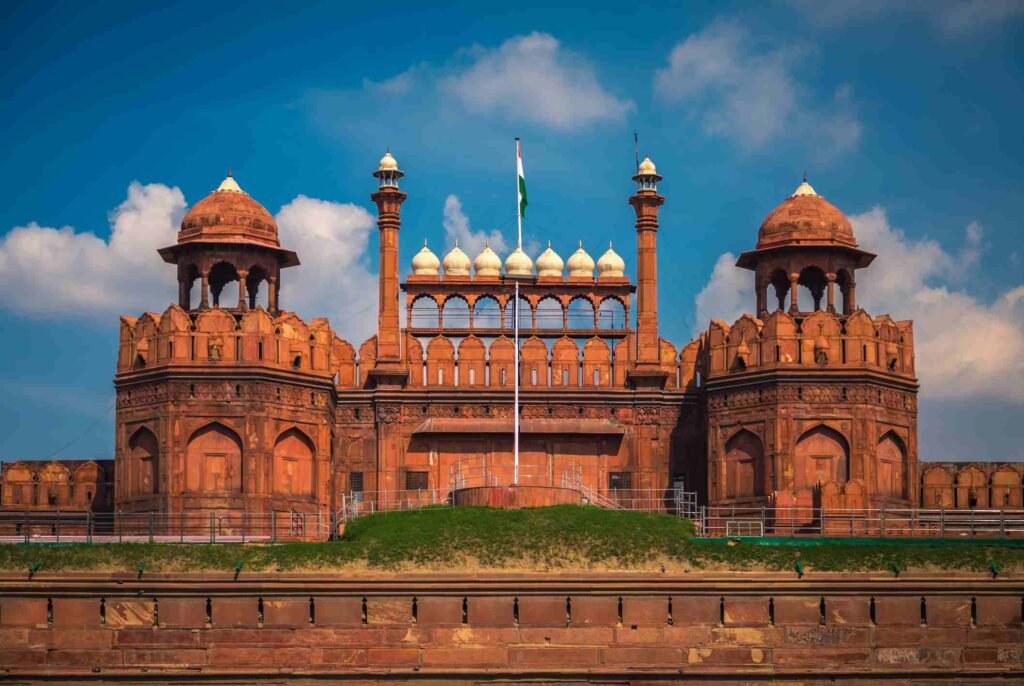
Introduction The Red Fort Delhi, locally known as Lal Kila, stands as one of India’s most iconic landmarks and a powerful reminder of its imperial Mughal past. For almost 200 years it was the palace of the Mughal emperors, and today it is the place where India celebrates its freedom every year. For travellers arriving from abroad, it is usually the first great monument of an India journey and the natural starting point of a Golden Triangle tour. This guide covers who built it and why, its history, what to see inside, timings and practical tips for international visitors. Where is Red Fort Situated? The Red Fort is located in Old Delhi, a historic district that once formed the walled city of Shahjahanabad. It stands on Netaji Subhash Marg, at the eastern end of Chandni Chowk, close to the Yamuna river. Jama Masjid is about one kilometre away, so the two are almost always visited together. From Approx. distance Approx. travel time Connaught Place (central New Delhi) 6 km 20 to 30 minutes New Delhi Railway Station 4 km 15 to 20 minutes Indira Gandhi International Airport 22 km 45 to 75 minutes Aerocity hotels 20 km 45 to 60 minutes Who Built Red Fort in Delhi and Why? The Red Fort was built by Shah Jahan, the fifth Mughal emperor, who also built the Taj Mahal in Agra. When Was Red Fort Built? Construction began in 1638 and was completed in 1648, taking about ten years. Shah Jahan’s son Aurangzeb later added the Moti Masjid (Pearl Mosque) in 1659. Red Fort History Through the Ages Period What happened 1638 to 1648 Shah Jahan builds the fort as the palace of his new capital, Shahjahanabad 1659 Aurangzeb adds the white marble Moti Masjid 1739 The Persian ruler Nadir Shah invades Delhi and carries away the Peacock Throne and the Koh-i-Noor diamond 1857 After the uprising against British rule, the last Mughal emperor, Bahadur Shah Zafar, is tried here and exiled. The British take over the fort, demolish many palaces and build army barracks 1945 to 1946 The trials of Indian National Army officers are held in the fort and stir the independence movement 1947 Jawaharlal Nehru, the first Prime Minister, raises the Indian flag at the Red Fort as India becomes independent 2007 The Red Fort Complex is declared a UNESCO World Heritage Site What to See Inside the Red Fort The fort covers about 250 acres, and the main buildings lie along one line from the entrance gate to the river side. Follow this order and you will not miss anything. Some interiors are viewed from outside only, to protect the marble and inlay work. Is Red Fort Open Today? The Red Fort is open from Tuesday to Sunday and is closed every Monday. Detail Information Opening hours 9:30 AM to 4:30 PM Closed Every Monday Last entry About 4:00 PM Time needed 2 to 3 hours Tickets Online through the Archaeological Survey of India portal, or at the ticket counter near the entrance The fort also closes to the public for several days before Independence Day on 15 August, and access can be restricted around national events in late January. Timings are set by the Archaeological Survey of India and can change, so check before you go. Light and sound show An evening light and sound show tells the story of the fort and of India’s journey to independence, with shows in Hindi and in English from Tuesday to Sunday. Show times change with the season, so confirm on the day of your visit. Fascinating Facts About Red Fort Common Misconceptions: Redford India vs Red Fort Many travellers search for “Redford India” or “Redford Delhi”. This is simply a misspelling. Travel Tips for Visiting Red Fort in Delhi Visiting Red Fort as an International Traveller The Red Fort is easy and safe to visit, and a few extra points help first-time visitors to India. Security and what to bring Getting there By Details Private car The most comfortable option. Your driver drops you at the parking area, a short walk from Lahori Gate Metro Lal Qila station on the Violet Line is right beside the fort. Chandni Chowk station on the Yellow Line is about a 15-minute walk Cycle rickshaw The classic way to move between the Red Fort, Jama Masjid and Chandni Chowk. Agree the price before you start Avoiding common problems Best time to visit Season Months What to expect Winter (best) October to March Pleasant days. Morning fog and haze are common from November to January Summer April to June Very hot, often above 40°C. Visit at opening time only Monsoon July to September Humid with heavy showers, but the gardens are green and crowds are smaller Places to Visit Near Red Fort Place Distance Why go Jama Masjid 1 km One of India’s largest mosques, also built by Shah Jahan, with views over Old Delhi from its minaret Chandni Chowk Opposite the fort A 17th-century market street full of food, jewellery, fabric and wedding shops Khari Baoli 2 km Asia’s largest wholesale spice market Paranthe Wali Gali 1 km A narrow lane famous for stuffed fried flatbreads Gurudwara Sis Ganj Sahib 700 m An important Sikh shrine with a free community kitchen Raj Ghat 2.5 km The peaceful memorial to Mahatma Gandhi A perfect Old Delhi morning For a fuller plan, see our Perfect Delhi Itinerary for 2 Days. Explore Delhi and the Golden Triangle with Dream Day Tours Dream Day Tours is a government-approved travel company based in Jaipur, founded in 2019. Every tour is customised to your dates, pace and interests, with private cars, local expert guides and handpicked hotels. The Red Fort is where most of our Golden Triangle journeys begin. From Delhi you continue to the Taj Mahal in Agra and the palaces of Jaipur, and you can add tigers in Ranthambore, the lakes of Udaipur or the ghats of Varanasi. Write to us at welcometoddtours@gmail.com with your travel […]

Plan Your Perfect Varanasi 2-Day Itinerary – Explore the Best Places to Visit in Just 48 Hours
Varanasi Travel Guide

Plan Your Perfect Varanasi 2-Day Itinerary – Explore the Best Places to Visit in Just 48 Hours

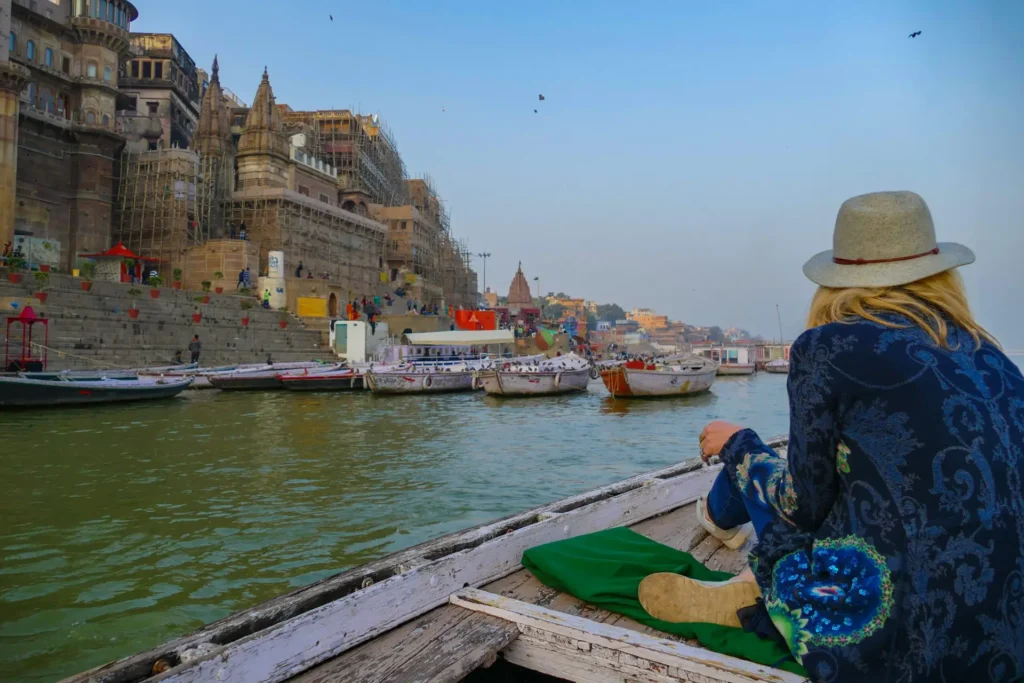
Introduction to Varanasi & the Purpose of a 2-Day Itinerary Varanasi, often called the spiritual heart of India, is one of the world’s oldest living cities, where history, faith, and tradition flow as endlessly as the Ganges itself. Known for its sacred ghats, ancient temples, and vibrant lanes, the city offers a rare glimpse into India’s timeless culture and spirituality. While exploring every corner of Varanasi could take weeks, a well-planned Varanasi itinerary can help travelers capture its essence in just two days. Whether you’re witnessing the mesmerizing Ganga Aarti, strolling through bustling bazaars, or tracing centuries-old heritage sites, this Varanasi 2 days itinerary ensures you experience the city’s soul in a short yet memorable trip. Perfect for those with limited time, it’s your guide to making every moment in Varanasi count. Why Choose a 2-Day Varanasi Tour Itinerary Not every traveler has the luxury of spending a week in Varanasi, but that doesn’t mean you have to miss out on its magic. A short yet well-planned Varanasi itinerary allows you to focus on the city’s most iconic experiences without feeling rushed. With a carefully curated Varanasi itinerary for 2 days, you can explore the must-see places to visit in Varanasi in 2 days — from the spiritual serenity of Kashi Vishwanath Temple to the soulful spectacle of the Ganga Aarti at Dashashwamedh Ghat. The beauty of this plan lies in its balance. It combines the city’s deep-rooted spirituality with its rich history, vibrant markets, and flavorful street food. Whether you’re soaking in the morning peace on a boat ride along the Ganges or wandering through centuries-old alleys, every stop in your Varanasi itinerary adds a new layer to the experience. For the best trip, visit between October and March when the weather is pleasant and the crowds are manageable, ensuring your journey through Varanasi is both comfortable and unforgettable. Day 1 – Spiritual & Cultural Immersion Day 2 – Heritage, Food, and Local Life Practical Travel Tips for a Smooth Trip Exploring Varanasi is an experience that blends spiritual depth with bustling local life, but knowing a few insider tips can make your journey smoother. From transportation to cultural etiquette, these practical suggestions ensure your Varanasi itinerary flows without unnecessary hassles. Transportation Options Navigating the city is part of its charm. Walking through the narrow lanes is the best way to discover hidden gems, while rickshaws are ideal for short distances. For longer journeys, pre-book taxis to avoid fare disputes. Safety & Cultural Etiquette Varanasi is deeply rooted in tradition, and respecting local customs will enhance your trip. Dress modestly, be mindful during religious rituals, and keep your belongings secure in crowded areas. Where to Stay Choosing the right accommodation ensures convenience and comfort. Staying near the ghats gives you easy access to sunrise views and evening aartis. Insider Tips to Avoid Tourist Traps A little local knowledge can save you time and money. Suggested Itinerary Table at a Glance Planning your trip becomes much easier when you have a quick reference guide. This table breaks down your Varanasi 2 days itinerary into manageable time slots, ensuring you don’t miss the key experiences. Day Time Activity Highlights Day 1 Early Morning Sunrise boat ride on Ganges Assi Ghat & Dashashwamedh Ghat views Morning Visit Kashi Vishwanath Temple Spiritual rituals & Jyotirlinga Afternoon Explore Dashashwamedh & Assi Ghats Riverfront culture & photography Evening Ganga Aarti Ceremony Lamps, chants, and sacred atmosphere Day 2 Morning Visit Sarnath Buddhist heritage & museum Late Morning Walk through old markets Banarasi silk & handicrafts Afternoon Food trail Chaat, lassi & local sweets Evening Sunset at Manikarnika Ghat or Malviya Bridge Panoramic river views Conclusion In just two days, Varanasi can leave you with memories that last a lifetime — from witnessing the golden sunrise on the Ganges to exploring centuries-old temples, bustling markets, and spiritual ceremonies that define the city’s soul. This Varanasi itinerary is designed to give you a balanced mix of history, culture, spirituality, and local flavors, ensuring every moment is meaningful. Pack your bags, embrace the energy of the ghats, and start your unforgettable Varanasi journey today — the sacred city is ready to welcome you. FAQs Is 2 days enough for Varanasi? Yes, 2 days are enough to experience the city’s spiritual essence and cultural highlights. With a well-planned Varanasi itinerary, you can cover major temples, iconic ghats, Sarnath, local markets, and the famous Ganga Aarti.What is the best time to visit for a short trip? October to March offers pleasant weather, making it ideal for a Varanasi 2 days itinerary. Winter mornings are misty and magical, perfect for boat rides. How to experience Ganga Aarti without crowds? Arrive at Dashashwamedh Ghat at least 45 minutes early or watch from a hired boat for a more peaceful view. Weekdays generally see fewer visitors compared to weekends and festivals.Are there good hotels near the ghats? Yes, you’ll find both budget guesthouses and mid-range hotels close to Dashashwamedh and Assi Ghats, offering easy access to key attractions and river views. Booking in advance is recommended, especially during peak tourist seasons. Yes, 2 days are enough to experience the city’s spiritual essence and cultural highlights. With a well-planned Varanasi itinerary, you can cover major temples, iconic ghats, Sarnath, local markets, and the famous Ganga Aarti. October to March offers pleasant weather, making it ideal for a Varanasi 2 days itinerary. Winter mornings are misty and magical, perfect for boat rides. Arrive at Dashashwamedh Ghat at least 45 minutes early or watch from a hired boat for a more peaceful view. Weekdays generally see fewer visitors compared to weekends and festivals. Yes, you’ll find both budget guesthouses and mid-range hotels close to Dashashwamedh and Assi Ghats, offering easy access to key attractions and river views. Booking in advance is recommended, especially during peak tourist seasons.

Explore the Taj Mahal: History, Architecture, and Key Insights
Agra Travel Guide

Explore the Taj Mahal: History, Architecture, and Key Insights

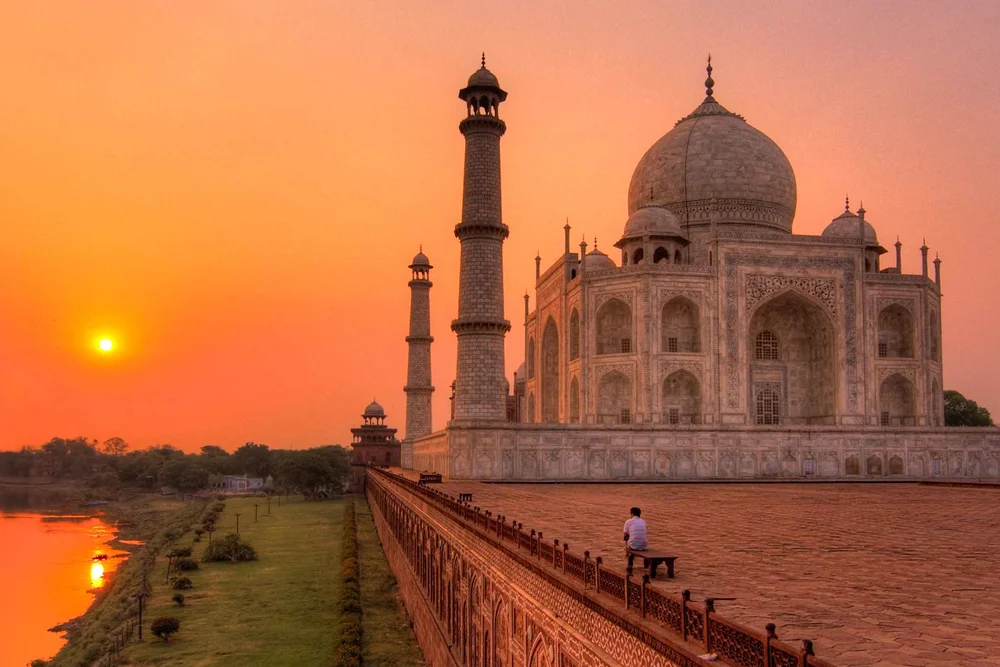
Introduction & Top Questions About Taj Mahal Standing gracefully on the banks of the Yamuna River in Agra, the Taj Mahal is more than just a monument—it’s a timeless symbol of love, artistry, and cultural pride. Its pristine white marble façade, changing hues with the daylight, has fascinated travelers, historians, and poets for centuries. Recognized as a UNESCO World Heritage Site since 1983, the Taj Mahal is celebrated globally as one of the finest masterpieces of Mughal architecture and a shining example of human creativity and craftsmanship. Millions of visitors from around the world arrive each year to witness its beauty, making it one of the most visited landmarks in India. If you’re wondering: The Story Behind the Taj Mahal Taj Mahal History – From Concept to Completion The vision for the Taj Mahal was born out of grief but executed with extraordinary ambition. In 1631, Mughal Emperor Shah Jahan faced the devastating loss of his wife, Mumtaz Mahal, during the birth of their 14th child. Heartbroken, the emperor vowed to create a monument unlike any the world had ever seen—a tribute to her memory and their enduring love. Construction began in 1632 during the height of the Mughal Empire’s power. Over 20,000 artisans, laborers, calligraphers, and craftsmen were brought in from across India, Persia, and the Ottoman Empire. The project took approximately 22 years, with the main mausoleum completed by 1648 and surrounding structures and gardens finalized by 1653. When Was the Taj Mahal Built? The Taj Mahal’s construction spanned the years 1632–1653, under Shah Jahan’s rule (1628–1658). This period was considered the golden age of Mughal architecture, blending Islamic, Persian, Ottoman, and Indian design elements. Politically, it was a time of stability and wealth in the empire, which allowed for the immense resources needed for such a grand undertaking. Who Made the Taj Mahal? While Shah Jahan was the visionary behind the Taj Mahal, credit for its design goes to a team of brilliant minds, including chief architect Ustad Ahmad Lahauri and master artisans from across Asia. Mumtaz Mahal, the inspiration for the monument, was more than just the emperor’s wife—she was his trusted advisor and constant companion. Together, their relationship formed the emotional foundation for this timeless masterpiece. The Taj Mahal Story – A Love Etched in Stone The Taj Mahal is often called a “love letter in marble.” Mumtaz Mahal passed away at the age of 38, leaving Shah Jahan inconsolable. He poured his grief into this monument, ensuring every detail reflected beauty, harmony, and eternity. The perfectly symmetrical layout, the delicate floral carvings, and the gemstone inlays all serve as an eternal reminder of their love. Who Invented the Taj Mahal? The Taj Mahal wasn’t “invented” in the modern sense of the word—it was commissioned by Shah Jahan. Its creation was the result of collaboration among architects, engineers, and artisans who transformed his vision into reality. Rather than being a single person’s invention, it stands as a collective masterpiece shaped by cultural exchange, artistic genius, and imperial ambition. Architecture and Design The Taj Mahal architecture is a sublime fusion of Mughal style and Persian influences, resulting in one of the most iconic monuments in the world. Its harmonious proportions, intricate artistry, and spiritual symbolism make it a true architectural marvel. Layout and Structural Plan The complex follows a meticulously symmetrical layout. At its heart lies the grand mausoleum, flanked by a mosque to the west and a guesthouse to the east. The charbagh-style gardens, divided by water channels, symbolize the four rivers of paradise. Reflecting pools perfectly mirror the structure, enhancing its visual impact. Materials Used to Build the Taj Mahal The main structure is crafted from pure white Makrana marble, sourced from Rajasthan, inlaid with semi-precious stones like jade, jasper, lapis lazuli, and turquoise. This combination of materials creates a breathtaking play of light and shadow, changing hues with the time of day. For travelers seeking to witness such fine craftsmanship, a Classic Golden Triangle India Tour with Varanasi often includes a visit to this remarkable site. Characteristics and Features of the Taj Mahal The monument is celebrated for its flawless symmetry, four slender minarets that frame the mausoleum, and a massive central dome rising 73 meters high. Delicate calligraphy of Quranic verses adorns its entrance, while detailed floral motifs and geometric patterns enhance its elegance. Symbolism in Design Every element of the Taj Mahal carries meaning. The symmetrical layout reflects balance and harmony, the gardens represent paradise, and the marble’s purity symbolizes eternal love. Visitors can experience these symbolic details up close during a Same Day Guided Tajmahal Tour with Agra Fort and Baby Taj, making the experience both educational and unforgettable. Significance of the Taj Mahal Cultural and Historical Significance – Mughal Art & Heritage The Taj Mahal is more than an architectural wonder—it’s the crown jewel of Mughal art and heritage. Built during the height of the Mughal Empire, it reflects a perfect blend of Indian, Persian, and Islamic design traditions. For travelers exploring India’s history through iconic landmarks, the Taj Mahal often forms a highlight of cultural itineraries, such as the 5 day golden triangle tour india, which covers Delhi, Agra, and Jaipur. Outstanding Universal Value – A UNESCO Treasure Recognized as a UNESCO World Heritage Site in 1983, the Taj Mahal holds outstanding universal value for its architectural harmony, artistic mastery, and cultural symbolism. Its perfectly proportioned structure, intricate marble inlay work, and integration with the Yamuna River landscape make it one of the world’s most celebrated monuments. Criterion (i) – Masterpiece of Human Creative Genius The Taj Mahal meets UNESCO’s Criterion (i), awarded to sites representing a masterpiece of human creative genius. Every element—from its calligraphy panels to its gemstone inlays—demonstrates unparalleled skill and vision. Much like the detailed carvings found in Rajasthan’s havelis, which you can explore on a 7 Days with Culture and Artistic Rajasthan Havelis Tour, the Taj Mahal reflects an era when art and architecture were at their peak. Taj Mahal Important Points […]

Amber Palace (Amer Fort Jaipur) A Complete Traveler’s Guide to Rajasthan’s Royal Gem
Jaipur Travel Guide

Amber Palace (Amer Fort Jaipur): A Complete Traveler’s Guide to Rajasthan’s Royal Gem

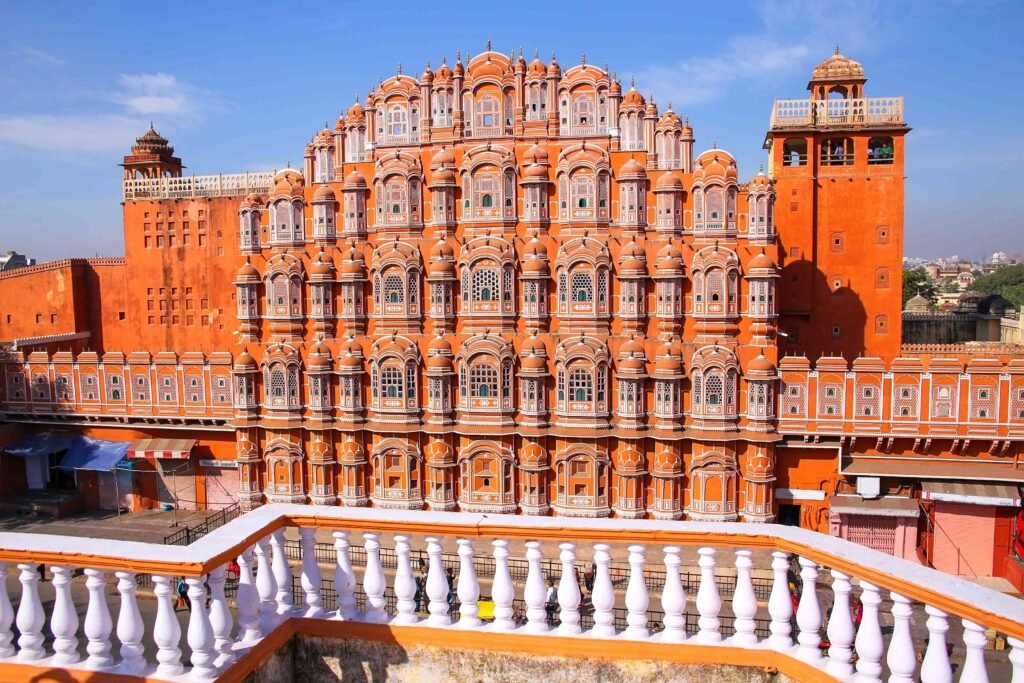
If you are planning a trip to Jaipur, one place that instantly captures the essence of the city’s royal past is Amber Palace. Often referred to as Amer Palace and Fort, this landmark is more than just another stop on the tourist trail. Rising above the Aravalli hills with its sandstone walls and ornate courtyards, it tells stories of kings, queens, and a time when art and power blended effortlessly. Travelers know it as Amer Fort Jaipur, while others simply call it Amber Palace Jaipur. No matter what name you use, the experience remains unforgettable. Recognized as one of the most remarkable forts in India, the palace continues to be a symbol of Rajasthan’s heritage and charm. For anyone curious about history, culture, or architecture, visiting Amber Palace Rajasthan is like stepping back into a world of grandeur that still feels alive today. History of Amer Fort The story of Amber Palace begins long before Jaipur became the bustling Pink City we know today. Built in 1592 by Raja Man Singh I, one of Akbar’s most trusted generals, the fort was not only a residence for the Kachwaha rulers but also a stronghold that showcased their power and wealth. Over the years, later kings added new sections, expanding it into the magnificent complex visitors see now. When you walk through Amer Palace and Fort, it feels less like a museum and more like a place where history still whispers in every corner. The Diwan-i-Aam, where the king met his subjects, or the Sheesh Mahal, glittering with thousands of mirrors, are reminders of a time when architecture and artistry were symbols of prestige. Locals and travelers alike often refer to it as Amer Fort Jaipur or Amber Palace Jaipur, and both names carry the same sense of pride. It remains one of the finest examples of Rajput and Mughal collaboration in design. Today, Amber Palace Rajasthan is not just a monument; it is a living chapter of India’s royal history that continues to inspire awe in anyone who visits. Architecture of Amber Fort The architecture of Amber Palace is one of the reasons it leaves such a lasting impression on travelers. Designed as both a fortress and a royal residence, it reflects a seamless blend of Rajput and Mughal styles. Walking through Amer Palace and Fort, you notice the sharp contrast between the rugged sandstone exterior that guarded against invasions and the delicate marble interiors that celebrated beauty and refinement. Inside Amer Fort Jaipur, each courtyard tells a different story. The Diwan-i-Khas glows with intricate carvings, while the Ganesh Pol gate is a fine example of Mughal influence with its painted arches. Perhaps the most famous part of Amber Palace Jaipur is the Sheesh Mahal, or Mirror Palace. Thousands of tiny mirrors were placed to catch the faintest light, creating a magical effect at night when a single lamp could make the hall sparkle like a sky full of stars. The layout of Amber Palace Rajasthan includes four main courtyards, gardens, and private chambers that reveal how carefully the rulers planned their living spaces. This attention to detail is also something you’ll notice if you explore other heritage routes such as the 3 Days Jaisalmer Rajasthan Tour Package or the 7 Days with Culture and Artistic Rajasthan Havelis Tour. These journeys, much like Amber Fort, showcase the way Rajasthan’s history comes alive through its architecture. For travelers who enjoy blending iconic landmarks with timeless design, a visit to Amber Palace pairs perfectly with experiences like the Private Day Trip to Taj Mahal and Agra Fort From Delhi. Together, they highlight India’s most extraordinary architectural traditions—grand, expressive, and unforgettable. Elephant Rides at Amber Fort For many visitors, an elephant ride up to Amber Palace is one of the most talked-about experiences. The gentle climb along the cobbled path to the fort’s main courtyard offers a sense of how royals once arrived at Amer Palace and Fort in all their grandeur. The ride usually takes about 20 minutes and is available in the mornings, often finishing before noon to protect the animals from the heat. At the same time, the Amber Fort Jaipur elephant rides have also been at the center of debate. Concerns about animal welfare have led to conversations about whether the practice should continue. While some travelers still choose the traditional ride for the experience, others prefer alternatives like jeeps or walking, which are equally enjoyable and allow you to take in the beauty of Amber Palace Jaipur at your own pace. Whichever option you choose, reaching the courtyards and gazing up at the Sheesh Mahal or Ganesh Pol makes the journey worthwhile. The setting of Amber Palace Rajasthan is so impressive that it often becomes a highlight of a traveler’s itinerary, much like exploring the cultural landscapes on the 10 Days Golden Triangle Tour India with Kerala Backwaters. If you are drawn to wildlife, combining Amer with the 7 Days Golden Triangle Tour India with Ranthambore offers a balance between history and nature. For adventure seekers, the 8 Days Golden Triangle Tour India with Leh Ladakh pairs Rajasthan’s forts with Himalayan landscapes. And for a shorter introduction to India’s heritage, the 5 day golden triangle tour india provides a well-rounded journey that fits easily into a busy schedule. Whether you ride an elephant, take a jeep, or simply walk up the ramparts, visiting Amber Fort is less about how you get there and more about the sense of history that greets you at the top. Entry Fees, Timings & Best Time to Visit Before planning your visit to Amber Palace, it helps to know the practical details. The amber fort entry fee is currently ₹50 for Indian visitors and ₹500 for foreign tourists. Students receive discounted tickets, making it accessible for younger travelers interested in history and culture. If you want to see the light and sound show in the evening, there is a separate ticket, which is worth it for the storytelling experience against the backdrop of […]

Uncategorized

What Is the Golden Triangle? Delhi, Agra & Jaipur, Explained

The Golden Triangle is India’s most famous travel route: Delhi, Agra and Jaipur, three cities close enough together to visit in a single trip, each offering something the other two don’t. It’s where you can eat breakfast beside a 500-year-old mosque, stand in front of the Taj Mahal by lunchtime the next day, and watch the sun set over a maharaja’s palace before the week is out. If you’ve heard one phrase more than any other while researching a first trip to India, it’s probably this one — here’s exactly what it means. Why Is It Called the Golden Triangle? Two reasons, and both are worth knowing. First, the literal one: plot Delhi, Agra and Jaipur on a map, and the roads connecting them form a rough triangle. Second, “golden” refers not to any literal gold, but to the sheer concentration of history and culture packed inside that triangle — Mughal forts, the world’s most famous mausoleum, and a living royal capital, all within a few hours’ drive of each other. It’s the name the Indian tourism industry settled on decades ago for the country’s single most popular circuit, and it’s stuck ever since. What Each City Actually Contributes Delhi — layered history, in one city Delhi has been the capital of multiple empires across the centuries, which is why its architecture jumps between eras within a few streets — Mughal mosques, British colonial boulevards, and modern government buildings all sit within a short drive of one another. It’s usually where a Golden Triangle trip begins and ends. Agra — one unmissable monument, and more besides Agra exists on most itineraries for a single reason: the Taj Mahal. But it also holds Agra Fort, the red sandstone fortress the Mughal emperors ruled from, and a genuine, functioning old city around both. Jaipur — royal heritage you can still feel Jaipur, the Pink City, is Rajasthan’s capital and was a planned royal city from the start, built by Maharaja Sawai Jai Singh II in the 18th century. Unlike Delhi and Agra’s empires, Jaipur’s royal family still exists, and parts of the City Palace remain their residence — heritage here isn’t just preserved, it’s still lived in. How Long Do You Need? A rushed version can be done in 3 days, but most travellers find 5 to 7 days lets each city breathe — one full day for Old and New Delhi together, a day and a night in Agra to see the Taj Mahal at both sunset and sunrise, and two full days in Jaipur for its forts, palaces and bazaars. We build the Golden Triangle in lengths from 3 to 11 days, depending on how much time you have and whether you want to add Ranthambore, Pushkar or Udaipur along the way. The Food You Shouldn’t Miss Each city on the Golden Triangle has its own food identity, and trying all three is one of the most underrated parts of the trip. Delhi •  Chaat — tangy, spiced street snacks like golgappa (crisp shells filled with spiced water) and aloo tikki, best found in Old Delhi’s lanes •  Butter chicken and kebabs — Delhi is where butter chicken is widely believed to have been invented, at a restaurant in Daryaganj still serving it today •  Chole bhature and paranthas — a hearty Delhi breakfast, especially in the famous Paranthe Wali Gali (“Lane of Paranthas”) in Old Delhi Agra •  Petha — Agra’s signature sweet, a translucent candy made from ash gourd, sold in dozens of flavours across the city •  Bedai and kachori — a popular Agra breakfast, spiced fried bread served with a tangy potato curry Jaipur •  Dal baati churma — Rajasthan’s signature dish: baked wheat rolls, lentils, and a sweet crumbled wheat dessert, eaten together •  Pyaaz kachori — a Jaipur street food classic, a flaky pastry stuffed with spiced onion •  Ghewar — a disc-shaped, honeycombed sweet, especially popular during festival season •  Lassi — a thick, cold yoghurt drink, sold in earthenware cups across the old city Vegetarian travellers are genuinely well catered for throughout the Golden Triangle — much of Rajasthani food in particular is vegetarian by tradition, not as an afterthought. What to Avoid: Unregistered “Guides” This is one of the most common ways first-time visitors have a bad experience on the Golden Triangle, and it’s entirely avoidable. Around major sites like the Taj Mahal and Agra Fort, it’s common for people to approach tourists offering a cheap, informal tour on the spot — sometimes with a laminated card that looks official but isn’t. These aren’t registered guides, and there’s no way to verify who they actually are, what they’ll tell you, or where they’ll take you. •  A genuine government-licensed guide carries an official ID card issued by the Ministry of Tourism or the state tourism department — ask to see it, and be cautious of anyone who can’t produce one. •  A price that seems too low is usually the clearest warning sign — it often means an unlicensed guide relying on commission from shops they’ll pressure you to visit, rather than the tour itself. •  Always arrange your guide in advance through your hotel or a registered tour company, rather than accepting an offer made to you on the street. How to Book the Golden Triangle Safely The single best way to avoid the problems above is straightforward: book through a registered, verifiable tour company before you arrive, rather than arranging guides city by city once you’re already there. •  Check for government registration — we are GST and Udyam registered, based in Jaipur since 2019, which you can verify independently, not just take our word for •  Check real reviews — look for guest reviews with names, dates and photos on Google and TripAdvisor, not just testimonials on the company’s own website •  Confirm your guide is licensed — every guide we provide is government-registered, with the same ID they’ll show you in person •  Get everything in […]

Scroll to Top