 +91 9001007171

Explore the Taj Mahal: History, Architecture, and Key Insights
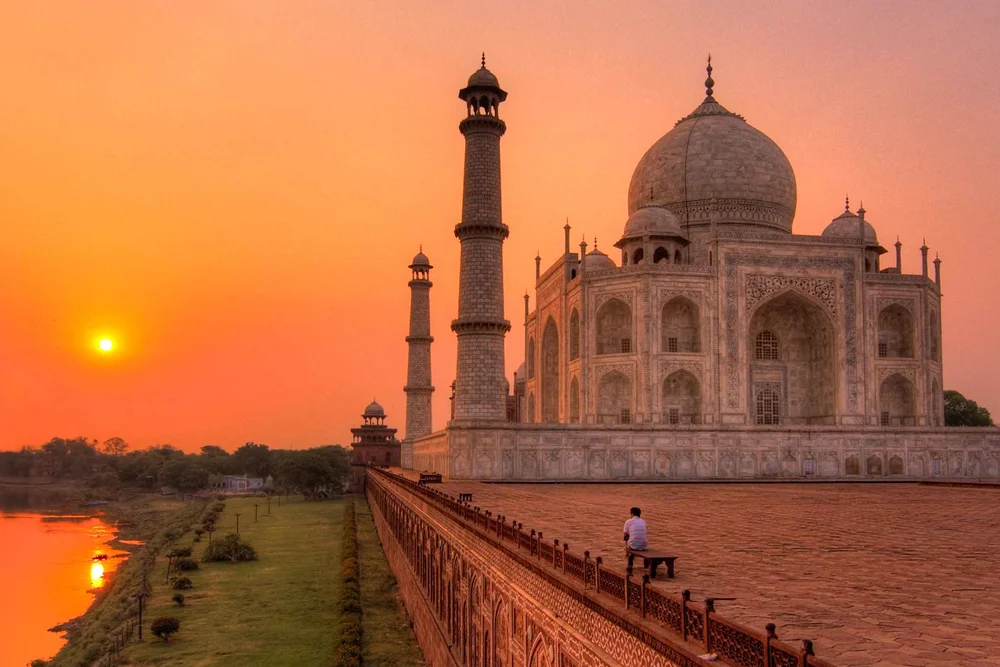
Introduction & Top Questions About Taj Mahal Standing gracefully on the banks of the Yamuna River in Agra, the Taj Mahal is more than just a monument—it’s a timeless symbol of love, artistry, and cultural pride. Its pristine white marble façade, changing hues with the daylight, has fascinated travelers, historians, and poets for centuries. Recognized as a UNESCO World Heritage Site since 1983, the Taj Mahal is celebrated globally as one of the finest masterpieces of Mughal architecture and a shining example of human creativity and craftsmanship. Millions of visitors from around the world arrive each year to witness its beauty, making it one of the most visited landmarks in India. If you’re wondering: The Story Behind the Taj Mahal Taj Mahal History – From Concept to Completion The vision for the Taj Mahal was born out of grief but executed with extraordinary ambition. In 1631, Mughal Emperor Shah Jahan faced the devastating loss of his wife, Mumtaz Mahal, during the birth of their 14th child. Heartbroken, the emperor vowed to create a monument unlike any the world had ever seen—a tribute to her memory and their enduring love. Construction began in 1632 during the height of the Mughal Empire’s power. Over 20,000 artisans, laborers, calligraphers, and craftsmen were brought in from across India, Persia, and the Ottoman Empire. The project took approximately 22 years, with the main mausoleum completed by 1648 and surrounding structures and gardens finalized by 1653. When Was the Taj Mahal Built? The Taj Mahal’s construction spanned the years 1632–1653, under Shah Jahan’s rule (1628–1658). This period was considered the golden age of Mughal architecture, blending Islamic, Persian, Ottoman, and Indian design elements. Politically, it was a time of stability and wealth in the empire, which allowed for the immense resources needed for such a grand undertaking. Who Made the Taj Mahal? While Shah Jahan was the visionary behind the Taj Mahal, credit for its design goes to a team of brilliant minds, including chief architect Ustad Ahmad Lahauri and master artisans from across Asia. Mumtaz Mahal, the inspiration for the monument, was more than just the emperor’s wife—she was his trusted advisor and constant companion. Together, their relationship formed the emotional foundation for this timeless masterpiece. The Taj Mahal Story – A Love Etched in Stone The Taj Mahal is often called a “love letter in marble.” Mumtaz Mahal passed away at the age of 38, leaving Shah Jahan inconsolable. He poured his grief into this monument, ensuring every detail reflected beauty, harmony, and eternity. The perfectly symmetrical layout, the delicate floral carvings, and the gemstone inlays all serve as an eternal reminder of their love. Who Invented the Taj Mahal? The Taj Mahal wasn’t “invented” in the modern sense of the word—it was commissioned by Shah Jahan. Its creation was the result of collaboration among architects, engineers, and artisans who transformed his vision into reality. Rather than being a single person’s invention, it stands as a collective masterpiece shaped by cultural exchange, artistic genius, and imperial ambition. Architecture and Design The Taj Mahal architecture is a sublime fusion of Mughal style and Persian influences, resulting in one of the most iconic monuments in the world. Its harmonious proportions, intricate artistry, and spiritual symbolism make it a true architectural marvel. Layout and Structural Plan The complex follows a meticulously symmetrical layout. At its heart lies the grand mausoleum, flanked by a mosque to the west and a guesthouse to the east. The charbagh-style gardens, divided by water channels, symbolize the four rivers of paradise. Reflecting pools perfectly mirror the structure, enhancing its visual impact. Materials Used to Build the Taj Mahal The main structure is crafted from pure white Makrana marble, sourced from Rajasthan, inlaid with semi-precious stones like jade, jasper, lapis lazuli, and turquoise. This combination of materials creates a breathtaking play of light and shadow, changing hues with the time of day. For travelers seeking to witness such fine craftsmanship, a Classic Golden Triangle India Tour with Varanasi often includes a visit to this remarkable site. Characteristics and Features of the Taj Mahal The monument is celebrated for its flawless symmetry, four slender minarets that frame the mausoleum, and a massive central dome rising 73 meters high. Delicate calligraphy of Quranic verses adorns its entrance, while detailed floral motifs and geometric patterns enhance its elegance. Symbolism in Design Every element of the Taj Mahal carries meaning. The symmetrical layout reflects balance and harmony, the gardens represent paradise, and the marble’s purity symbolizes eternal love. Visitors can experience these symbolic details up close during a Same Day Guided Tajmahal Tour with Agra Fort and Baby Taj, making the experience both educational and unforgettable. Significance of the Taj Mahal Cultural and Historical Significance – Mughal Art & Heritage The Taj Mahal is more than an architectural wonder—it’s the crown jewel of Mughal art and heritage. Built during the height of the Mughal Empire, it reflects a perfect blend of Indian, Persian, and Islamic design traditions. For travelers exploring India’s history through iconic landmarks, the Taj Mahal often forms a highlight of cultural itineraries, such as the 5 day golden triangle tour india, which covers Delhi, Agra, and Jaipur. Outstanding Universal Value – A UNESCO Treasure Recognized as a UNESCO World Heritage Site in 1983, the Taj Mahal holds outstanding universal value for its architectural harmony, artistic mastery, and cultural symbolism. Its perfectly proportioned structure, intricate marble inlay work, and integration with the Yamuna River landscape make it one of the world’s most celebrated monuments. Criterion (i) – Masterpiece of Human Creative Genius The Taj Mahal meets UNESCO’s Criterion (i), awarded to sites representing a masterpiece of human creative genius. Every element—from its calligraphy panels to its gemstone inlays—demonstrates unparalleled skill and vision. Much like the detailed carvings found in Rajasthan’s havelis, which you can explore on a 7 Days with Culture and Artistic Rajasthan Havelis Tour, the Taj Mahal reflects an era when art and architecture were at their peak. Taj Mahal Important Points […]